
This post was originally published on this site.
Writers often get all bent out of shape when someone messes up their names or calls their book by the wrong title. And yet, when they’re quoting or referring to the creative work of others, they sometimes blithely pay no attention to the details.
A string quartet began to play Cannon in D.
Cannon is a very big gun. Canon has a great many meanings, from a specific type of church leader, to a group of fundamental rules or laws, to the authorized body of work of an author. Or, in music, a canon is a technique where a melody or musical line is imitated and repeated by subsequent voices or instruments, often with variations. Exactly as it is in the best example of all, Pachelbel’s Canon in D Major.
(The cannons are part of Tchaikovsky’s 1812 Overture.)
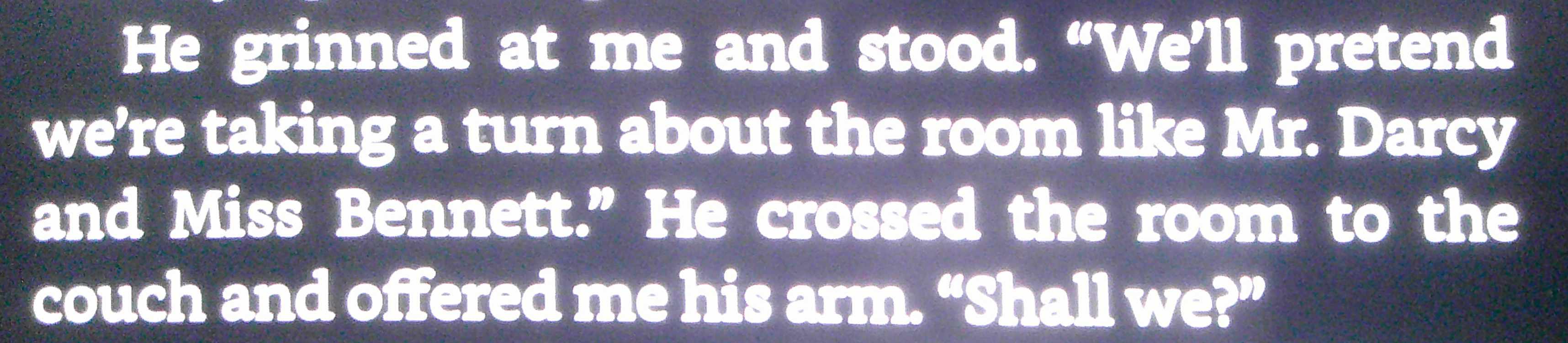
“We’ll pretend we’re taking a turn about the room like Mr. Darcy and Miss Bennett.”
An understandable mistake — but anyone who’s truly a fan of Pride and Prejudice should have noted that Elizabeth’s family name is Bennet.

“I think having Stephen King’s Pet Cemetery in an animal hospital is bad luck.”
A casual lookup would have told this author that the book is titled Pet Sematary. But at least they spelled Stephen’s name right. And it IS a funny line.
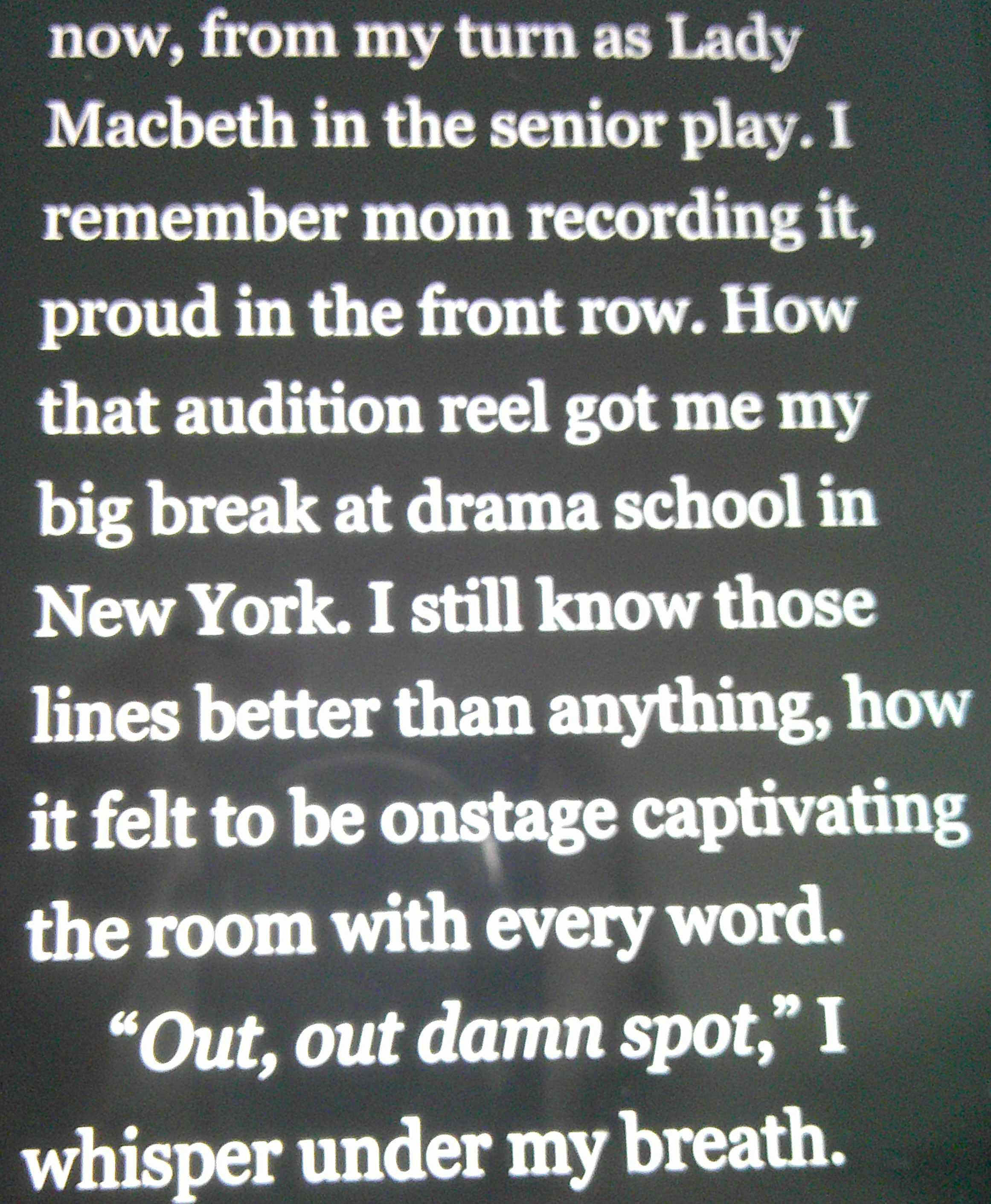
“Out, out damn spot,” I whisper under my breath.
The author could have gotten by with this one if the character wasn’t presented as an experienced actress who has played Lady Macbeth, brags about how well she knows the lines — and therefore damned well ought to know that the line Shakespeare actually wrote is, “Yet here’s a spot. Out, damned spot! Out, I say!”
Quoting the Bard without looking up the references is a dangerous pastime. So many of Shakespeare’s lines have been misused and corrupted since he wrote them that now the wrong version is often seen as right. The Snarky Editor could go on (and on, and on — just ask her friends)… but she won’t.
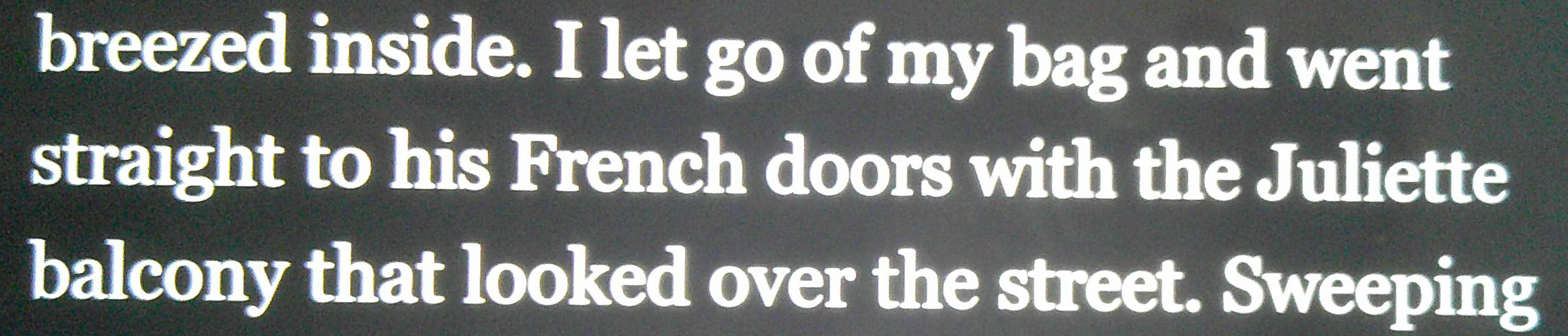
…. his French doors with the Juliette balcony that looked over the street.
And here’s another example of how assuming we know what Shakespeare said leads to disaster. Her name is Juliet, not Juliette. It’s not like the correct spelling is hard to find, either; it’s right there in the title of the play.
An interesting side note is that in Romeo and Juliet, the stage directions call for our young lady to appear at a window, and a balcony is never mentioned. Dramatic and lovely as that feature is, it’s been added in adaptations.
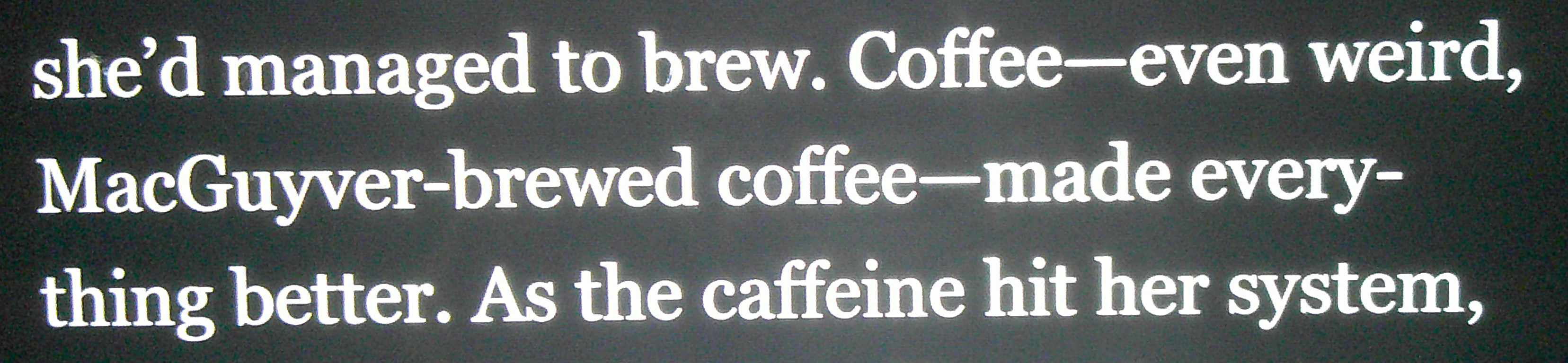
Coffee — even weird, MacGuyver-brewed coffee — made everything better.
The Snarky Editor was a fan, too, but she believes if you’re going to expect your reader to follow you into forty-year-old TV references, you should take care to spell them correctly. The 1985 television series was called MacGyver (as was the 2016 reboot), from the name of the main character — who refused to carry a gun but could work his way out of any predicament using things like chewing gum, duct tape, and paperclips. Which made MacGyver quite a guy.
The Snarky Editor comes out of hiding occasionally to comment on the awkward, silly, and sometimes hilarious editing errors found in published books.
#snarkyeditor #everybodyneedsaneditor
Leigh Michaels is the award-winning author of more than 100 books, including historical and contemporary romance, non-fiction books about writing, and local history. More than 35 million copies of her books are in print in 27 languages and more than 120 countries. She is also a writing coach and book editor, though she promises to be snarky only in regard to published books.
To find out more, check out https://leighmichaels.com
Leave a Reply