This post was originally published on this site.
Last week, The Snarky Editor popped a quiz — now it’s time to see how well you did at spotting the errors and oddities in published books.
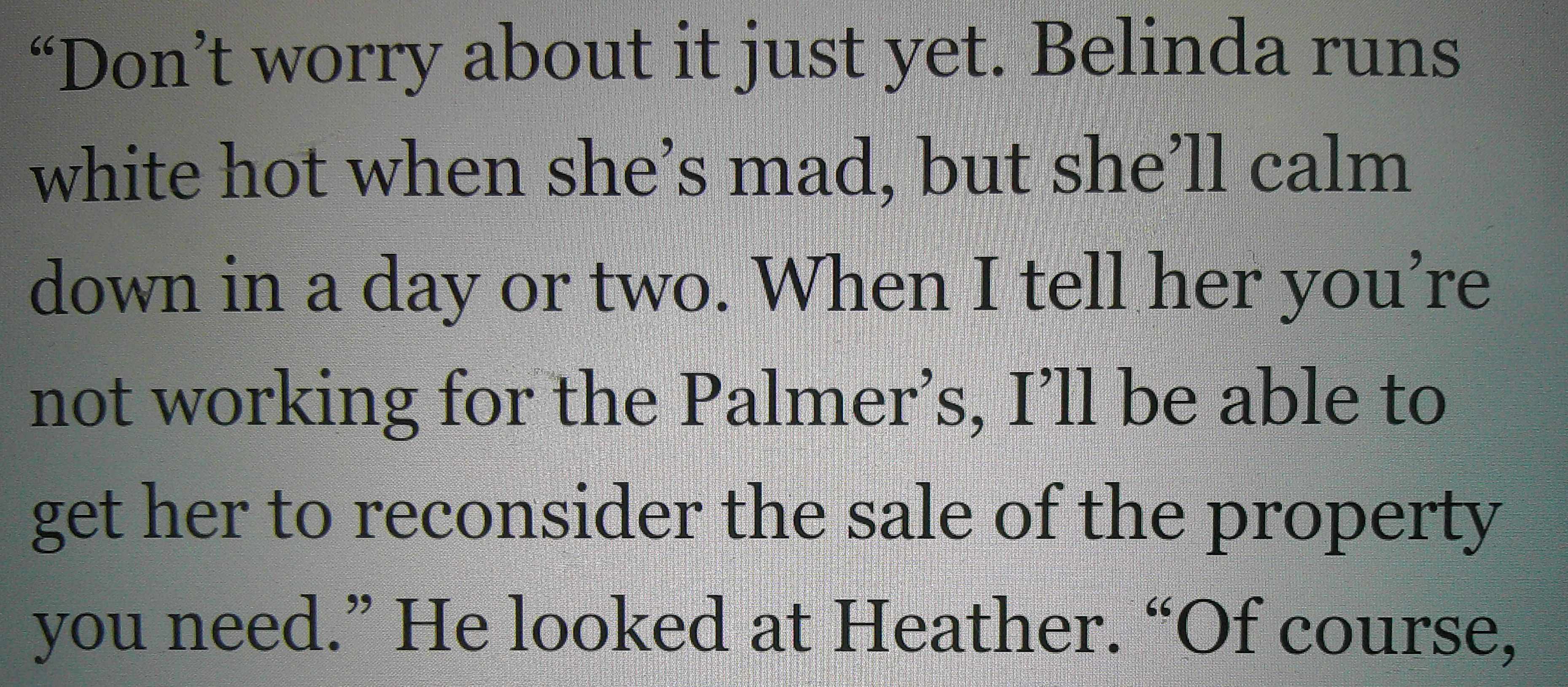
you’re not working for the Palmer’s…
Apostrophes are used in forming possessives, not plurals, so the person who’s not working for Mr. and Mrs. Palmer is not working for the Palmers. Mrs. Palmer’s dress… Mr. Palmer’s golf clubs… Mr. and Mrs. Palmers’ family — those are all possessives (and notice the difference between how we handle one person’s ownership and two). But then there’s nothing owned, then there’s no need for an apostrophe.
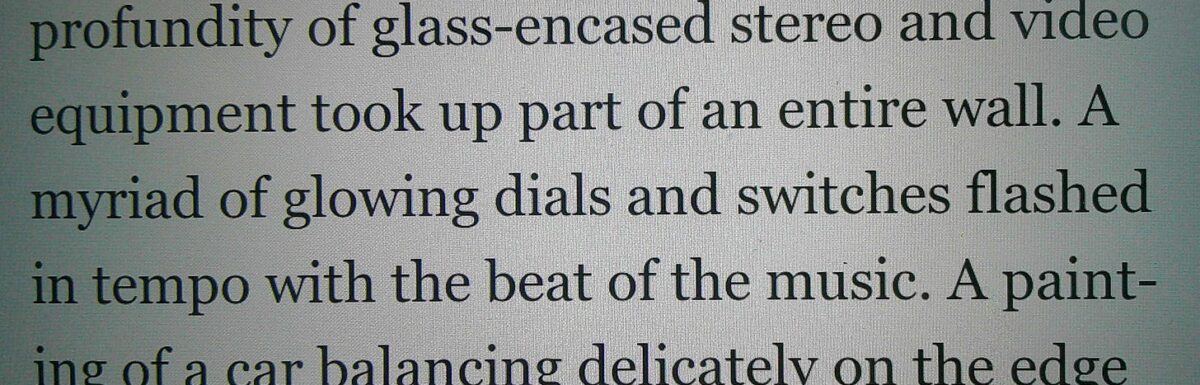
a profundity of glass-encased stereo and video equipment…
The Snarky Editor flagged this one as a non-word, only to find when she delved into Webster’s that profundity is indeed a legitimate usage. (Which just goes to prove her First Law: Everybody needs an editor.) However, profundity means being very deep or profound — intellectual, philosophical, or difficult to understand. It doesn’t mean there’s a lot of whatever we’re talking about, which is the way this author uses it. So The Snarky Editor takes the win — and she learned a new word, too.
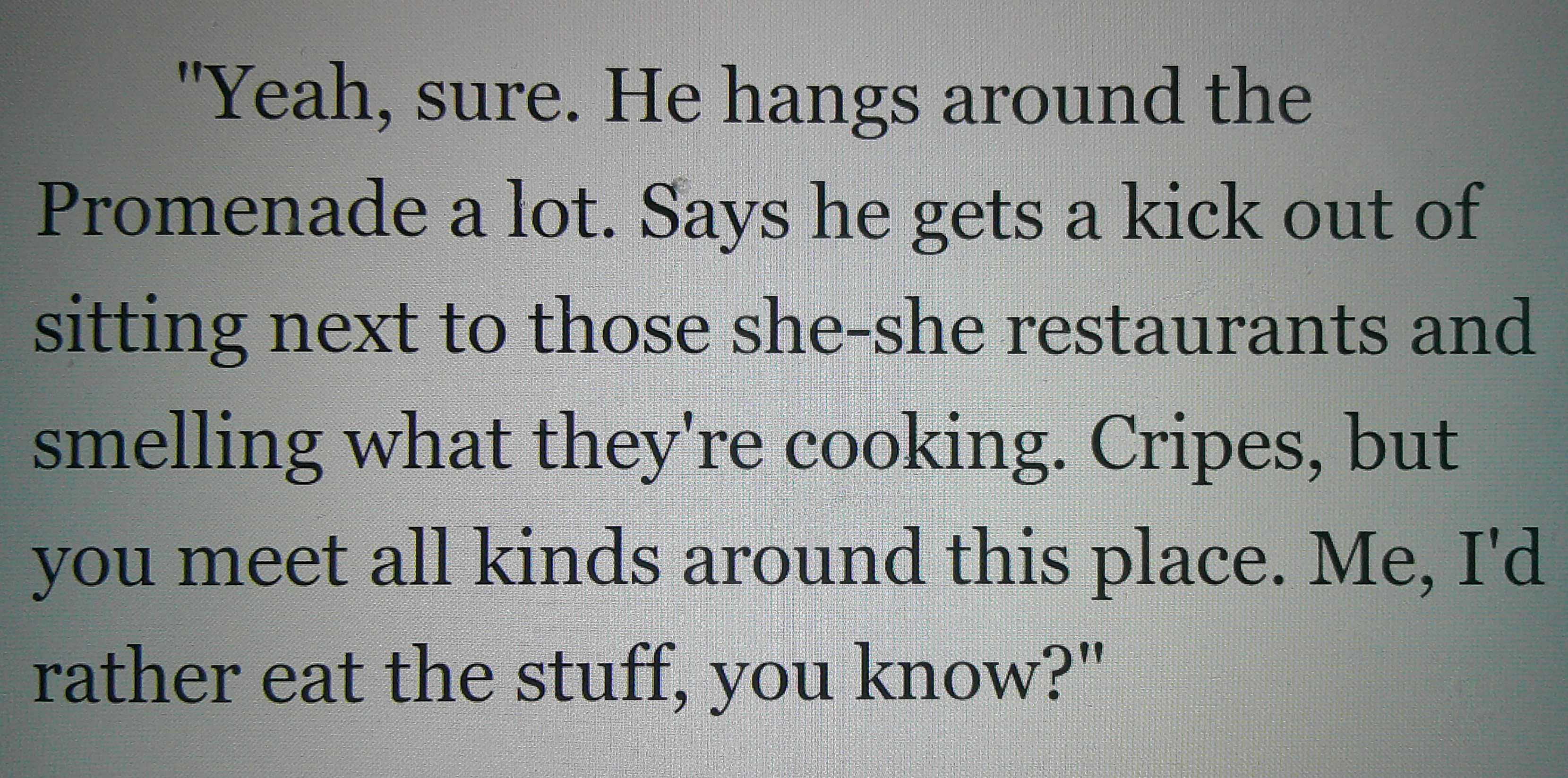
…sitting next to those she-she restaurants…
It sounds right, and the meaning (to be over-elaborate and pretentious) is spot on, but the expression is spelled chichi. It’s sometimes hyphenated as chi-chi.
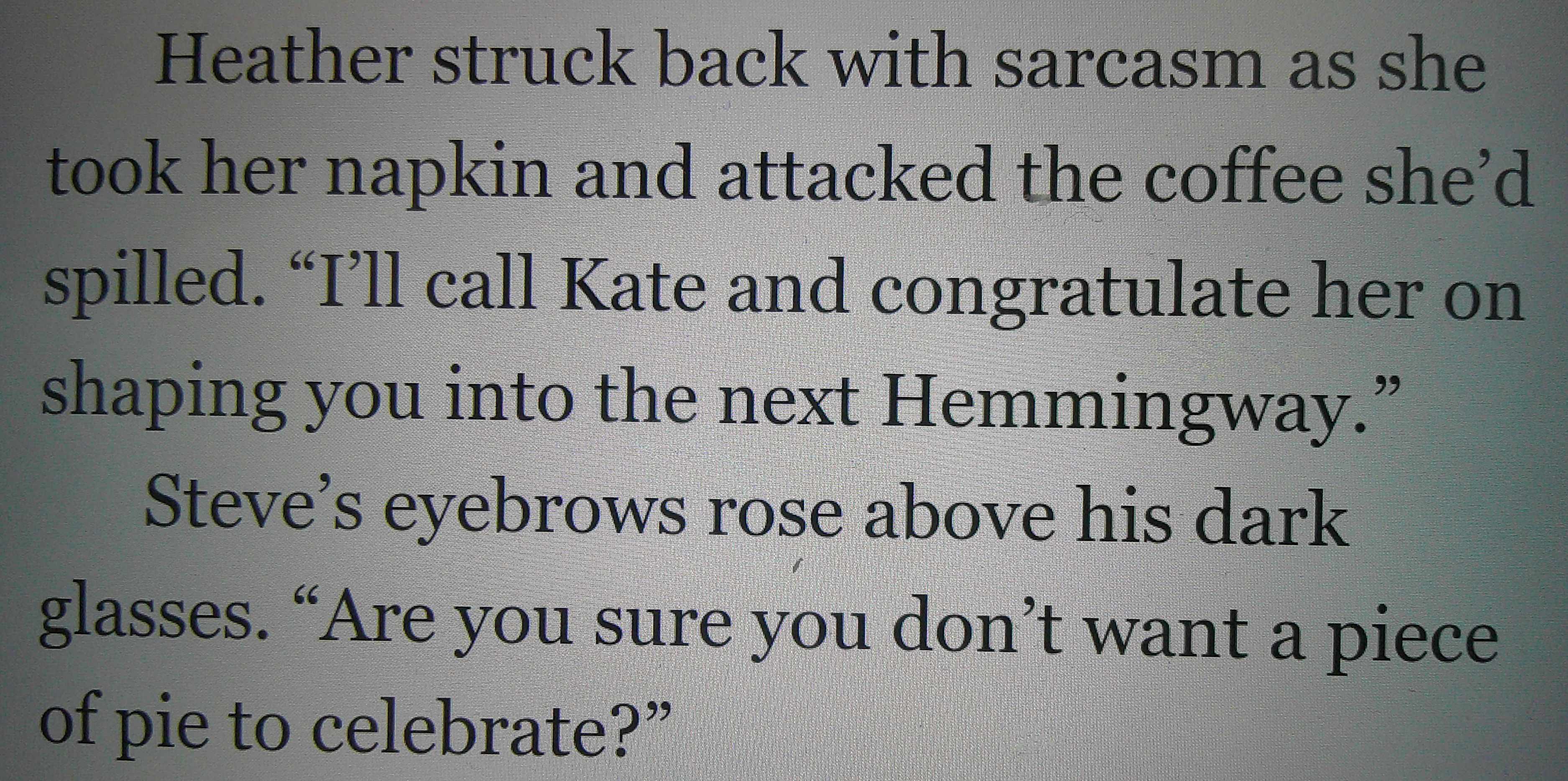
congratulate her on shaping you into the next Hemmingway.
The Snarky Editor is pretty sure that Steve, the budding author, would feel more flattered by the comparison if Ernest Hemingway’s name was spelled correctly.
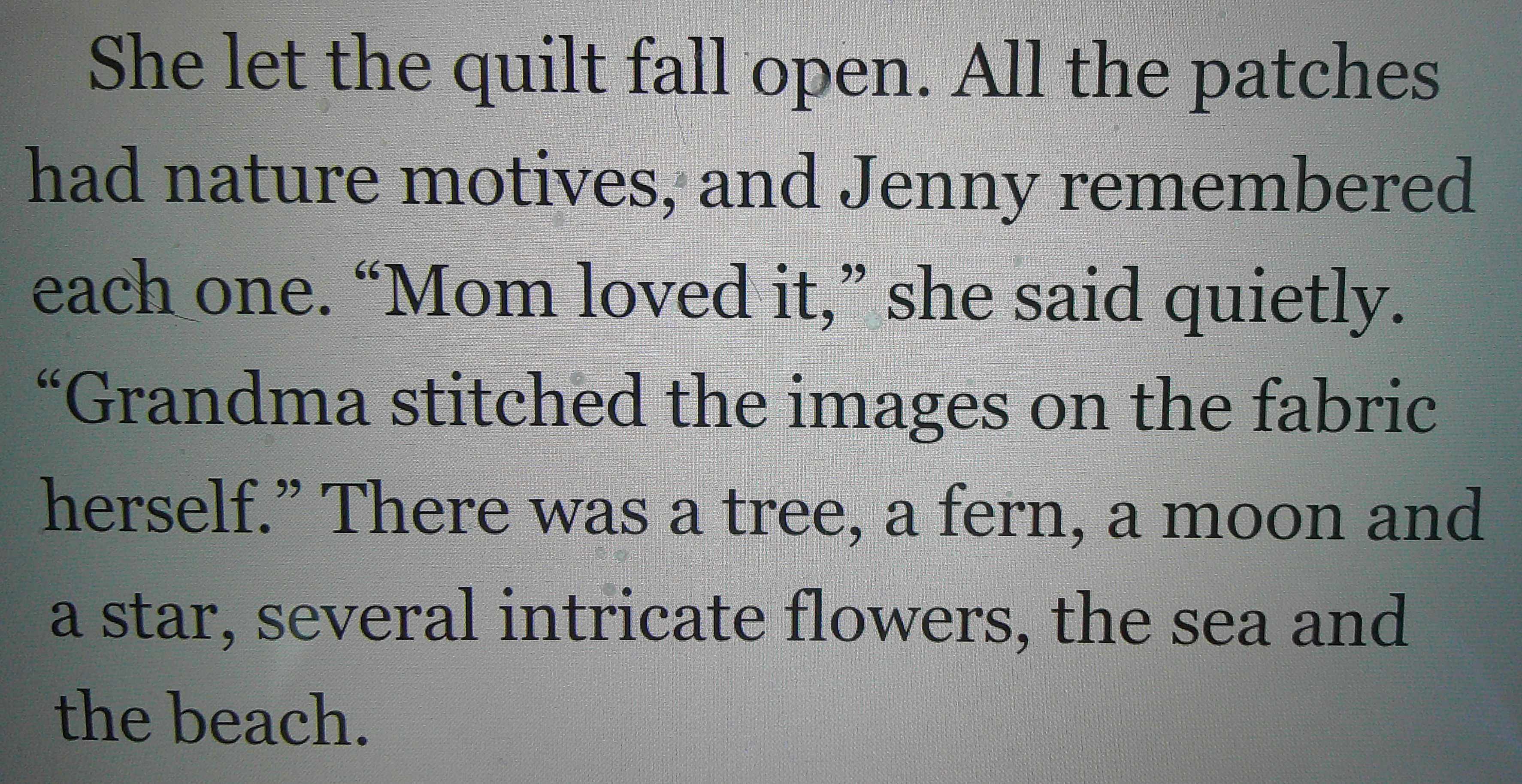
All the patches had nature motives…
Well, unless each patch is setting out with something to prove, the author meant motifs. A motif is a thematic element, most often a repeated design or color — in this case, the theme of the quilt is nature, so all the squares include an image from the natural world.

It’s absurd to think either me or my family had anything to do with Lucy’s death.
The test for whether to use me or I (or he / him, they / them, and so on), when referring to more than one person, is so easy that The Snarky Editor can’t believe it’s still a problem. When in doubt, drop the other element and see if the sentence makes sense. In this case, she wouldn’t say, It’s absurd to think me had anything to do with Lucy’s death. Of course, turning it around to put herself last makes the sentence sound better, too: It’s absurd to think my family or I had anything to do with Lucy’s death.
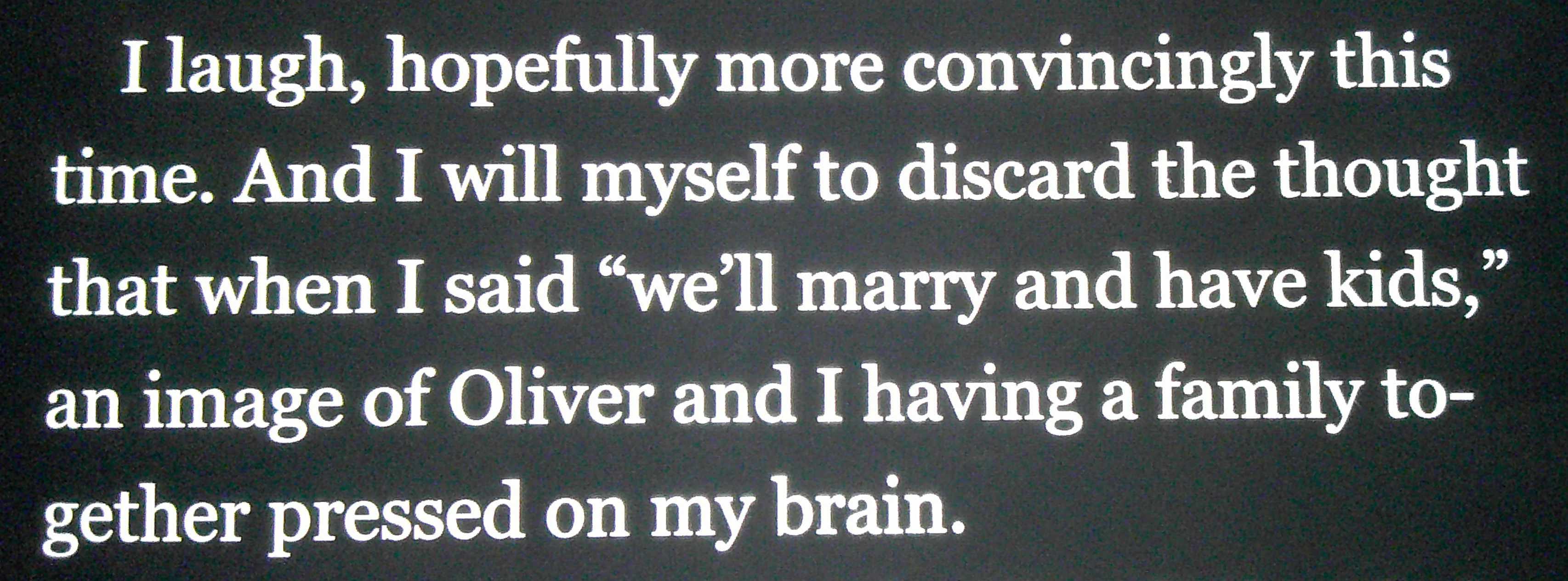
… an image of Oliver and I having a family together…
Same as the example above, with the opposite result. She wouldn’t say she got an image of I having a family. So the sentence should be an image of Oliver and me having a family together.
And if you also pointed out that we’ll should have been capitalized because it’s the start of a quoted sentence, you get a bonus point. Whether we also need a comma before that quotation is a question grammarians can argue about for days. But whether it’s I said “We’ll marry and have kids” or I said, “We’ll marry and have kids,” it’s not the way it appears here.
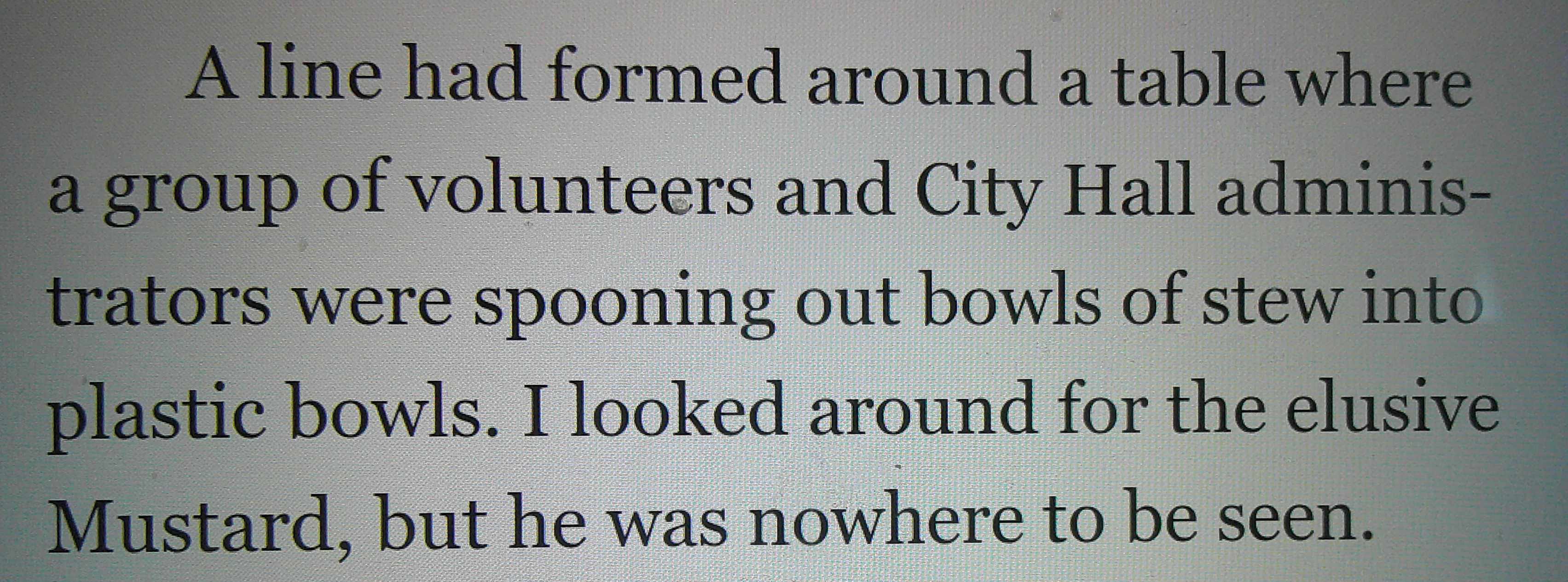
… spooning out bowls of stew into plastic bowls.
Anytime a word appears twice in a sentence, it’s a good idea to look for a way to cut or rephrase. Here the usage just says the same thing twice. A group of volunteers and City Hall administrators were spooning out stew into plastic bowls. Or A group of volunteers and City Hall administrators were spooning out bowls of stew.
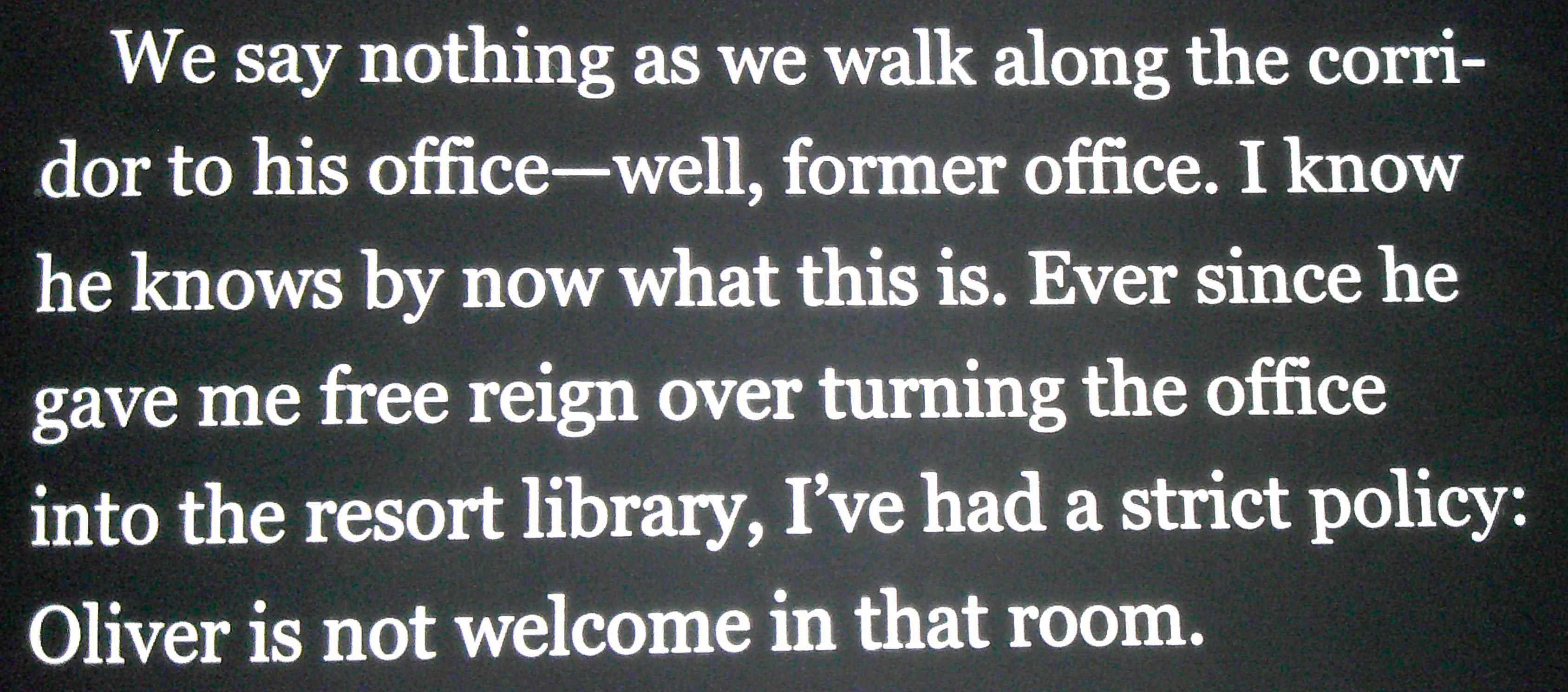
Ever since he gave me free reign over turning the office into the resort library…
This woman may be the queen of Oliver’s heart, but he didn’t give her the keys to the kingdom. He gave her the freedom to act as she chose — as though he’d given a horse the choice of which way to go. Ever since he gave me free rein…
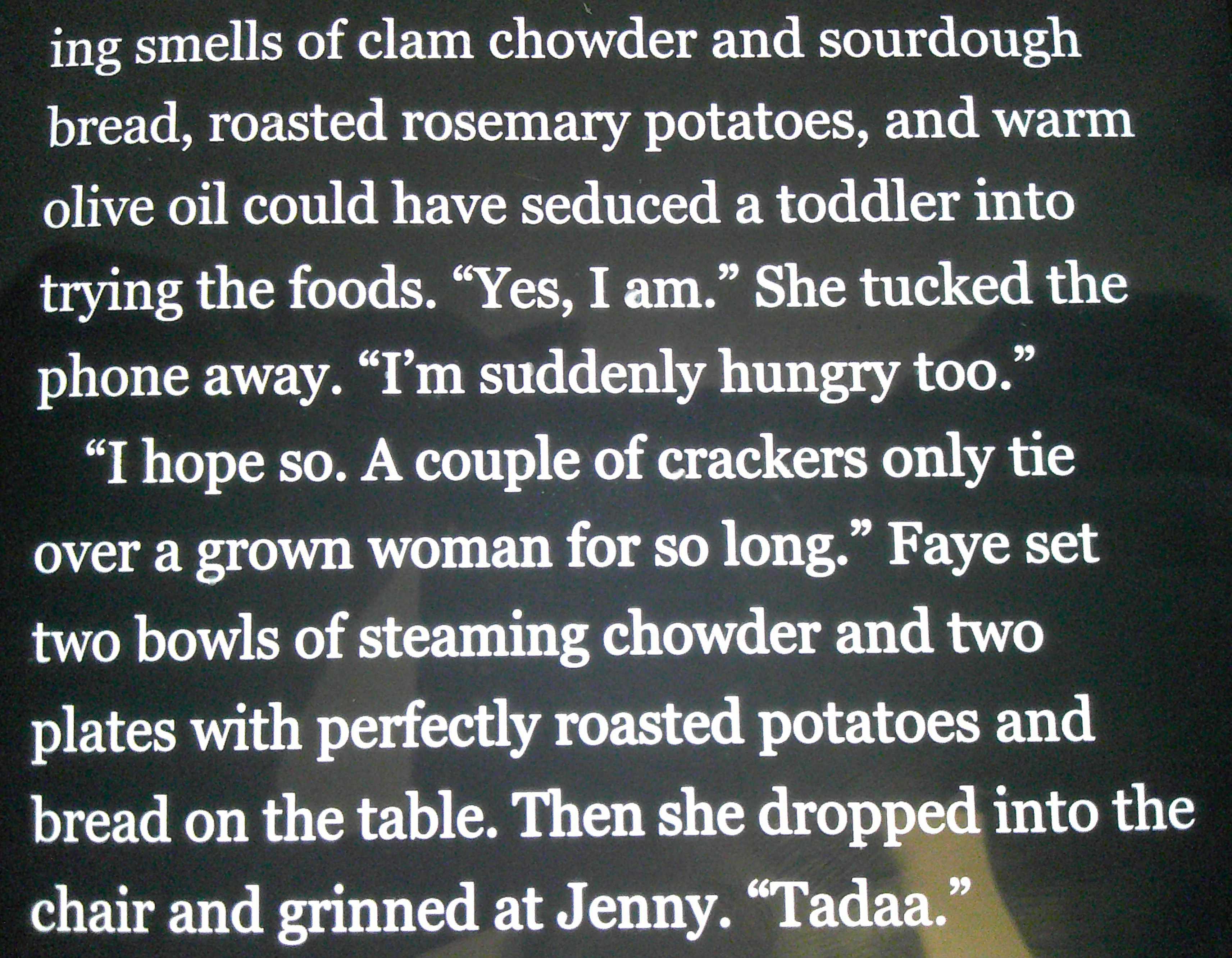
A couple of crackers only tie over a grown woman for so long.
This is another example of an author who heard something wrong but didn’t look it up to check — which could be the subject of a whole set of Snarky Editor columns. The phrase is tide over. Originally a seafaring term, it referred to ships avoiding obstacles by floating over them on a swelling tide. Now it means to help someone get through a difficult period by providing a short term solution — like a hungry person eating a few crackers to tide her over until the meal is ready.
And another bonus point if you observed that while there are a couple of accepted spellings of tada (including ta dah), this author’s version isn’t one of them.
The Snarky Editor comes out of hiding occasionally to comment on the awkward, silly, and sometimes hilarious editing errors found in published books.
#snarkyeditor #everybodyneedsaneditor
Leigh Michaels is the award-winning author of more than 100 books, including historical and contemporary romance, non-fiction books about writing, and local history. More than 35 million copies of her books are in print in 27 languages and more than 120 countries. She is also a writing coach and book editor, though she promises to be snarky only in regard to published books.
To find out more, check out https://leighmichaels.com
Leave a Reply