
Sometimes (and the older The Snarky Editor gets, the more frequent those times are) we only half-hear something. Or it sounds right, and we don’t stop to think whether it actually IS right — because, let’s face it, English is a nasty language when it comes to pairs of words that sound alike but don’t mean the same thing.
So if writers assume they heard correctly, or they don’t stop to think about whether they’re using the correct word or its sound-alike brother, we get situations like these.
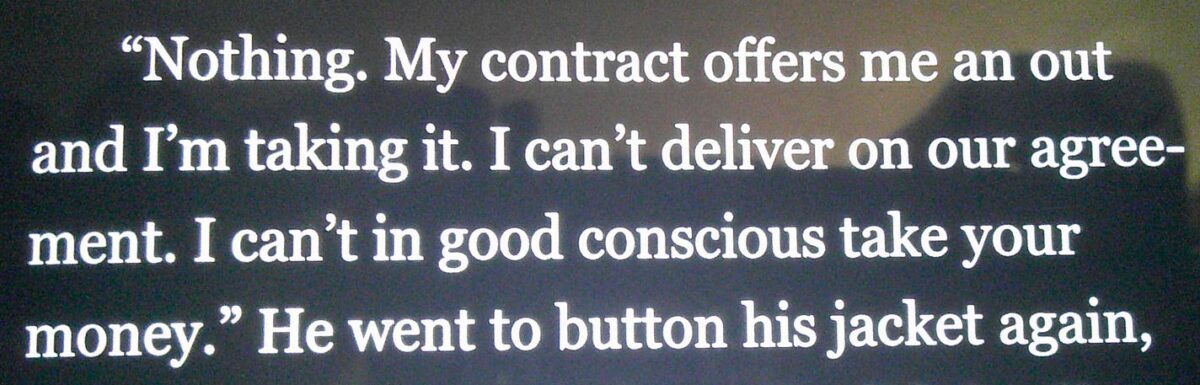
I can’t in good conscious take your money.
Conscious means alert, aware, awake. This author meant conscience — that naggling part of ourselves that reminds us when something isn’t quite right, or moral, or acceptable. I can’t in good conscience take your money.
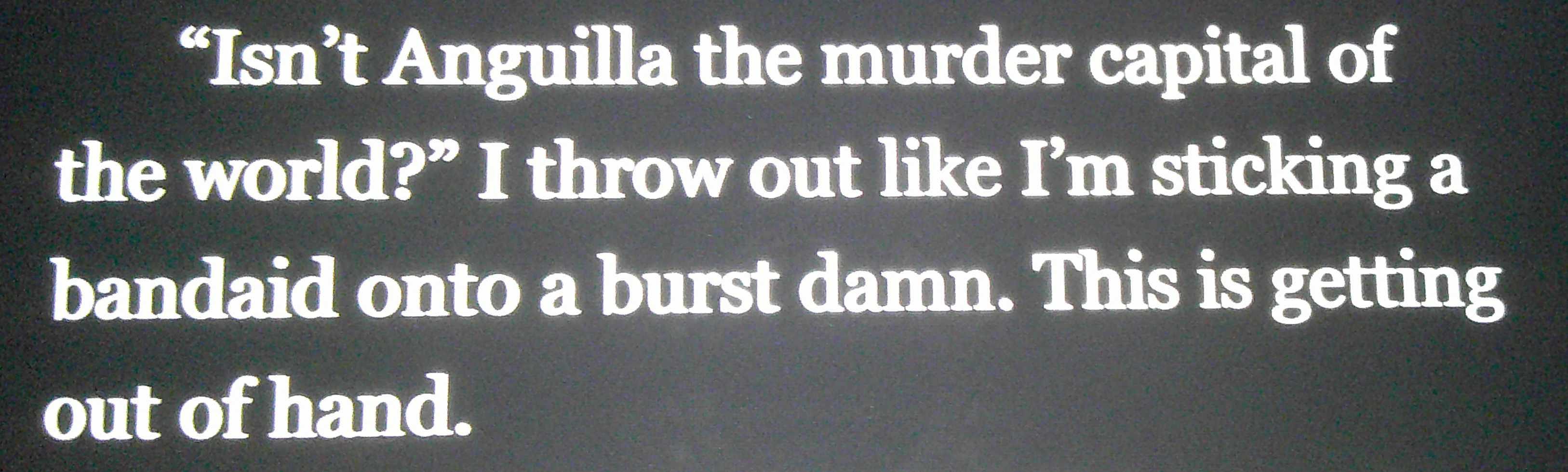
I throw out like I’m sticking a bandaid onto a burst damn.
The kind that holds back water is a dam; the kind we give (or don’t give) is a damn. The dam is an engineering construction; damn is a way to condemn. We damn with faint praise when we say, “Yeah, it’s okay… I suppose” rather than showing enthusiasm.
Band-Aid, by the way, is a registered trademark owned by Johnson & Johnson, and should be used with caution by authors. To be completely correct and compliant, your characters would have to say, “Hand me a Band-Aid brand adhesive bandage” — and of course they’d sound like idiots. Using the TM symbol in a work of fiction — also technically required — is intrusive. However, the word should always be capitalized and hyphenated, presented in the same manner the company uses the term. Or just say, “Hand me a bandage.”

“Here, here!” Blair lifted her beer.
“Here, here” is perfectly fine when we’re calling a dog — when the meaning is Come here. But that’s not what Blair’s doing; she’s enthusiastically endorsing a statement. She’s saying, “That was important and should be repeated. Pay attention, people!” So the correct usage is “Hear, hear!”

She hadn’t given him much, but she could try some piece of mind.
It’s true that when Betts offers advice, she’s giving someone a piece of her mind. But in this context, she’s offering to put his mind at ease — to give him peace of mind.

I asked, bearing my mouth at him…
To bear means to carry. We can bear burdens, babies, emotional weights. But when we expose our teeth, we’re baring them. And, actually, she’s not baring her mouth at all, because we can only bare something that is usually concealed. We can bare our tongues, bare our bellies in two-piece swimsuits, bare our toes when we kick off our shoes…

… the tiny pockets she’d had sown into the cleavage of her dress…
Many seed crops are sown (or sowed)— that is, the seeds are scattered on the ground without being planted in rows. When we’re talking about garment construction, the word is sewn (or sewed) — the past tense of sew. Since Charlie’s pockets were pieces of cloth stitched into her dress with thread, they were sewn in place.
If we’re talking about a guy spreading his favors around, he’s sowing his wild oats — at random, rather than in an organized fashion, just like wheat seeds in a field.
Stop and think; does the word you’re using actually make sense?
(All of these examples are from The Snarky Editor’s reading in the last week. If some of them sound familiar, it’s because some errors crop up over and over — no matter how hard The Snarky Editor tries to wipe them out.)
The Snarky Editor comes out of hiding occasionally to comment on the awkward, silly, and sometimes hilarious editing errors found in published books.
#snarkyeditor #everybodyneedsaneditor
Leigh Michaels is the award-winning author of more than 100 books, including historical and contemporary romance, non-fiction books about writing, and local history. More than 35 million copies of her books are in print in 27 languages and more than 120 countries. She is also a writing coach and book editor, though she promises to be snarky only in regard to published books.
To find out more, check out https://leighmichaels.com
And stop to think: Does what you’re saying even make a shred of sense?
Leave a Reply